-
-
4.9/5525 user rating


The Hollimon Firm provides legal representation for criminal defense and personal injury cases. From drug crimes, DUI/DWI, assault, and traffic violations to car accidents, truck accidents, slip and fall injuries, and wrongful death claims, our firm helps clients protect their rights and move forward with confidence.
What Is A Frontover Collision
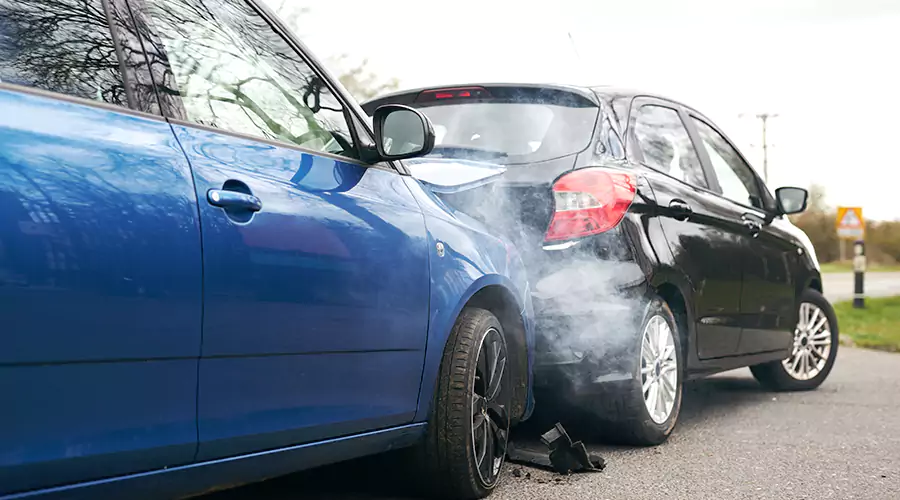
Traffic safety experts use specific names for different types of incidents. There are many different types of collisions that occur in a broad range of different scenarios. Some of them are better known than others.
Most people know what a rear-end crash is. Fewer people are familiar with the term “frontover collision.” While these crashes may not be as common as rear-end collisions, they cause hundreds of deaths and thousands of serious injuries every year.
People who regularly walk near vehicles and people with children may benefit from learning about the risks of a frontover collision.
Large vehicles create unique hazards
Many drivers prefer SUVs, vans, pickup trucks and crossovers instead of the sedans that once dominated the roads. Bigger vehicles make people feel safer, which can give them a false sense of confidence in traffic.
That alone can be dangerous. When combined with a more vertical front end and larger blind spots, excess confidence could be deadly for others. Drivers may not check their surroundings as carefully as they should to ensure the safety of others.
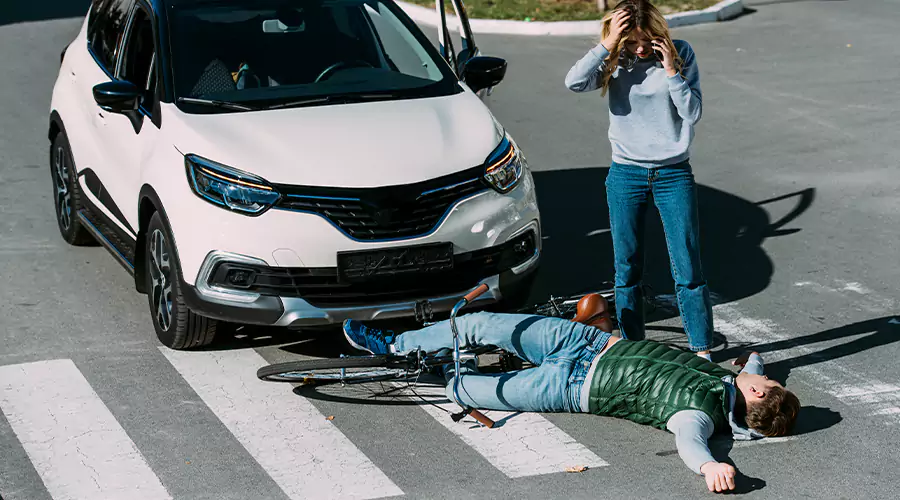
Frontover collisions occur when a driver does not notice a pedestrian in front of their vehicle. Frequently, they overlook child pedestrians approaching the vehicle from the side, which is a blind spot.
Frontover collisions often occur at low speeds. They also tend to involve people who may know the pedestrian they struck, such as neighbors, co-workers and family members. They can cause broken bones, spinal cord injuries, brain injuries and death.
The tragic reality is that frontover collisions are largely preventable and can have devastating consequences for the pedestrians involved. People affected by pedestrian collisions may need help exploring their options. Insurance coverage and civil litigation can help limit the financial impact of a frontover collision.
Recent Post

Need Help? We Are Here To Help You

You Get Online support
YOU MAY ALSO LIKE

Dec 10, 2025
Apr 17, 2026
Mar 27, 2025